

Life often feels like a balancing act. Between work deadlines, family responsibilities, and the constant stream of information from our phones, it’s easy to feel overwhelmed. Stress can build up, leaving us feeling anxious, tired, and disconnected. What if there was a simple, powerful tool to help you navigate this pressure? There is, and it’s called mindfulness meditation. This practice offers a path to genuine stress relief by helping you find a sense of calm and clarity, even on the most chaotic days.
This guide will explore how mindfulness meditation can become your go-to method for managing stress. We will cover:
- What mindfulness meditation truly is
- The science behind how it reduces stress
- Simple, practical steps to start your own practice
- Tips for making meditation a lasting habit
What Exactly Is Mindfulness Meditation?
Mindfulness is the basic human ability to be fully present, aware of where we are and what we’re doing, and not overly reactive or overwhelmed by what’s going on around us. Mindfulness meditation is the formal practice of training that ability. It’s not about emptying your mind or stopping your thoughts; it’s about observing them without judgment.
Think of it like this: your mind is a busy highway with thoughts, feelings, and sensations constantly rushing by like cars. Instead of jumping into the traffic, mindfulness meditation teaches you to sit on the side of the road and simply watch the cars go by. You notice them, but you don’t get carried away by them. This simple act of observation creates a space between you and your stressful thoughts, reducing their power over you.
The core components of this practice include:
- Focused Attention: Directing your awareness to a single point, like your breath.
- Open Monitoring: Expanding your awareness to notice all sensations, thoughts, and feelings as they arise.
- Non-Judgment: Acknowledging your thoughts and emotions without labeling them as “good” or “bad.”
How Does Meditation Combat Stress?
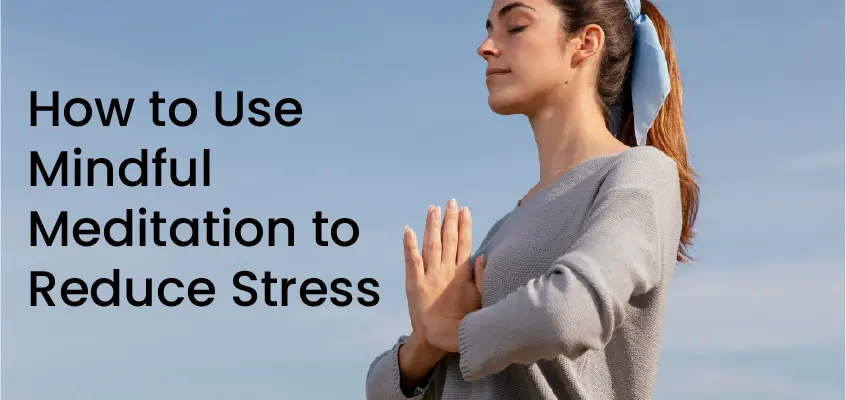
The connection between mindfulness meditation and stress relief isn’t just a feeling; it’s backed by science. When we experience stress, our body’s “fight-or-flight” response is triggered, releasing hormones like cortisol and adrenaline. While useful in short bursts, chronic activation of this system can lead to serious health issues.
Mindfulness meditation helps counteract this response by activating the parasympathetic nervous system, also known as the “rest-and-digest” system. This promotes relaxation, slows the heart rate, and lowers blood pressure.
Here’s a closer look at what happens in your brain and body:
It Changes Your Brain Structure
Consistent meditation practice can lead to physical changes in the brain. Studies have shown that it can decrease the density of gray matter in the amygdala, the brain’s “fear center” responsible for initiating the stress response. At the same time, it can increase gray matter in the prefrontal cortex, which is associated with concentration, decision-making, and emotional regulation. In simple terms, meditation helps you become less reactive to stressors and more thoughtful in your responses.
It Reduces Cortisol Levels
Cortisol is the primary stress hormone. High levels are linked to anxiety, sleep problems, and weight gain. Research indicates that regular mindfulness meditation can significantly lower cortisol levels in the body. By calming the stress response at its source, meditation provides lasting physiological relief.
It Improves Emotional Regulation
Stress often stems from our reaction to events, not the events themselves. Mindfulness teaches you to observe your emotional responses without getting swept away by them. By creating a pause between a trigger and your reaction, you gain the power to choose how you respond. You might still feel annoyed when stuck in traffic, but you’ll be less likely to let it ruin your entire day.
A Simple Guide to Your First Meditation Session
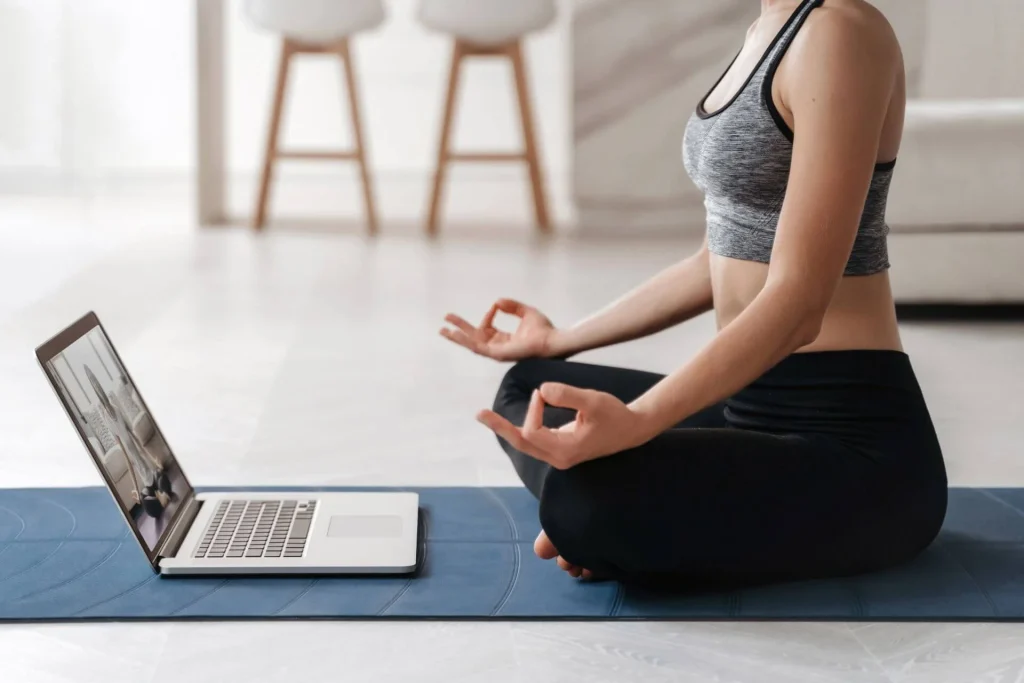
Getting started with mindfulness meditation for stress relief is easier than you might think. You don’t need any special equipment or a silent mountain retreat. All you need is a few minutes and a willingness to try.
Follow these simple steps for a basic mindfulness meditation:
- Find a Comfortable Spot: Sit on a chair with your feet flat on the floor, on a cushion, or even lie down. The key is to be comfortable but alert. Keep your back straight but not stiff.
- Set a Timer: Start with just 3 to 5 minutes. It’s better to practice for a short, consistent period than to aim for a long session and give up.
- Close Your Eyes (or Don’t): You can close your eyes gently or keep a soft, unfocused gaze on a spot a few feet in front of you. This helps minimize external distractions.
- Bring Attention to Your Breath: Notice the sensation of the air entering your nostrils, filling your lungs, and then leaving your body. Don’t try to change your breathing; just observe its natural rhythm. Feel your belly rise and fall.
- Acknowledge Wandering Thoughts: Your mind will wander. That’s what minds do. When you notice your thoughts have drifted, gently and without judgment, guide your focus back to your breath. The act of returning your attention is the core of the practice.
- End with Kindness: When the timer goes off, take a moment to notice how you feel. Wiggle your fingers and toes, and slowly open your eyes. Congratulate yourself for taking this time for your well-being.
Making Mindfulness a Lasting Habit
The real benefits of mindfulness meditation come from consistent practice. Just like physical exercise, the more you do it, the stronger your “mindfulness muscle” becomes.
Here are a few tips to help you build a sustainable meditation habit:
- Start Small: Even two minutes a day is a great starting point. As you get more comfortable, you can gradually increase the duration.
- Link it to an Existing Habit: Try meditating right after you brush your teeth in the morning or before you have your first cup of coffee. This is called “habit stacking” and makes it easier to remember.
- Use Guided Meditations: There are many apps and online resources that offer guided meditations. A narrator can help keep you focused, which is especially useful for beginners.
- Be Patient with Yourself: Some days your mind will feel calm, and other days it will feel like a circus. Both experiences are normal and part of the process. The goal is not to have a perfect meditation session but simply to show up.
- Practice Informal Mindfulness: You can practice mindfulness throughout your day. Pay full attention while washing the dishes, notice the taste and texture of your food, or feel the sensation of the wind on your skin during a walk.
Your Path to a Less Stressed Life
Mindfulness meditation is not a magical cure for all of life’s problems, but it is a profoundly effective tool for managing stress. By training your attention and cultivating a non-judgmental awareness, you can change your relationship with your thoughts and emotions. You can learn to respond to life’s challenges with more calm, clarity, and resilience.
Start today. Give yourself just five minutes to sit, breathe, and observe. It might just be the most peaceful and powerful five minutes of your day.
