
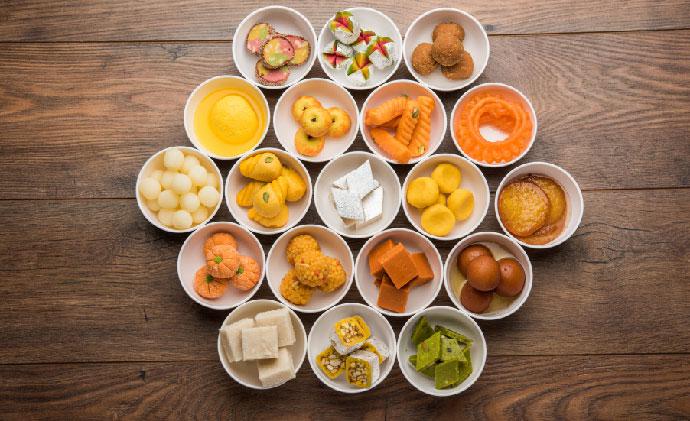
There is something undeniably magical about the aroma of cardamom, saffron, and ghee wafting through a kitchen. For millions around the world, these Indian Sweets scents signal celebration. Indian desserts, or “Mithai,” are not just sugary treats; they are an emotion, deeply woven into festivals, weddings, and family gatherings. While buying a box from the local store is easy, making these delicacies at home brings a unique satisfaction that money simply cannot buy.
This guide explores the art of making mithai at home. We will walk you through authentic, traditional Indian sweets recipes step by step, ensuring even beginners can achieve that perfect texture and taste. Whether you are craving the melt-in-the-mouth texture of Mysore Pak or the syrupy bliss of Gulab Jamun, we have you covered.
Why Homemade Sweets Taste Better
When you prepare sweets at home, you control the ingredients. Commercial sweets often rely on excessive sugar, preservatives, and lower-quality fats to increase shelf life. In your own kitchen, you use pure ghee (clarified butter), fresh milk, and high quality nuts. The result Indian Sweets is a richer flavor profile and a healthier treat for your family. Plus, the love and effort you pour into the process add a secret ingredient that no shop can replicate.
Recipe 1: The Classic Gulab Jamun
Gulab Jamun is arguably the most popular Indian dessert globally. These deep-fried dough balls soaked in rose-flavored sugar syrup are a crowd-pleaser.
Ingredients
- 1 cup Milk Powder
- ¼ cup All-purpose flour (Maida)
- 1 tsp Ghee
- 2-3 tbsp Milk (for kneading)
- A pinch of Baking Soda
- Oil or Ghee for deep frying
For Sugar Syrup:
- 1.5 cups Sugar
- 1.5 cups Water
- 3-4 Green Cardamom pods (crushed)
- 1 tsp Rose Water
Step by Step Method
1. Prepare the Sugar Syrup:
Combine sugar, water, and crushed cardamom in a wide pan. Boil on medium heat until the syrup becomes slightly sticky (one-string consistency is not needed). Add rose water, turn off the heat, and cover the pan to keep it warm.
2. Make the Dough:
In a bowl, mix milk powder, flour, and baking soda. Add a teaspoon of ghee and mix well. Gradually add milk, a tablespoon at a time, to form a soft, sticky dough. Do not over-knead, as this makes the jamuns hard.
3. Shape the Balls:
Grease your palms with a little ghee. Pinch small portions of the dough and roll them into smooth balls. Ensure there are no cracks on the surface; cracks will cause them to split during frying.
4. Frying:
Heat oil or ghee in a deep pan on medium-low flame. Gently slide the balls into the oil. Fry them slowly, turning frequently, until they turn golden brown evenly. High heat will burn the outside while leaving the inside raw, so patience is key.
5. Soaking:
Remove the fried balls and drain excess oil. Drop them immediately into the warm sugar syrup. Let them soak for at least 2 hours before serving. They will expand and become soft and spongy.
Recipe 2: Besan Ladoo (Gram Flour Balls)
A festival staple, Besan Ladoo is loved for its nutty flavor and melt in-mouth texture. It requires minimal ingredients but demands patience during the roasting process.
Ingredients
- 2 cups Besan (Gram Flour)
- ½ cup Ghee
- 1 cup Powdered Sugar (Boora or Tagar works best)
- ½ tsp Cardamom Powder
- Chopped nuts (Almonds/Cashews)
Step by Step Method
1. Roasting the Flour:
Heat ghee in a heavy-bottomed pan (kadhai). Add the besan and roast on a low flame. Keep stirring continuously. Initially, the mixture will be clumped and heavy.
2. Observing the Change:
After 15-20 minutes, the besan will loosen up and release ghee. It will turn a golden-brown color and emit a nutty, roasted aroma. This is the most crucial step—undercooked besan tastes raw and bitter.
3. Cooling:
Remove the pan from heat and let the mixture cool down completely. If you add sugar to the hot mixture, it will melt and ruin the texture.
4. Mixing Sugar and Flavor:
Once the mixture is at room temperature, add the powdered sugar, cardamom powder, and chopped nuts. Mix thoroughly using your hands to ensure the sugar is evenly incorporated.
5. Shaping:
Take a small amount of the mixture and press it firmly in your palm to form a round ball. If the mixture feels too dry to hold shape, add a teaspoon of warm melted ghee. Garnish with a sliver of pistachio or almond.
Recipe 3: Kaju Katli (Cashew Fudge)
Elegant and rich, Kaju Katli is often gifted during Diwali. It looks sophisticated but is surprisingly simple to make at home.
Ingredients
- 1 cup Cashew Nuts (room temperature)
- ½ cup Sugar
- ¼ cup Water
- 1 tsp Ghee
- Silver Vark (edible silver leaf) – optional
Common Mistakes to Avoid
Even seasoned cooks can stumble when making sweets. Here are a few pitfalls to watch out for:
- Impatience with Heat: Most Indian sweets require low heat. Cooking on high heat burns ingredients quickly.
- Wrong Sugar Syrup Consistency: Understanding “string consistency” (one-string, two-string) is vital for syrup-based sweets.
- Over-kneading: For dough-based sweets like Gulab Jamun, over-kneading develops gluten, making the sweet tough instead of soft.
Top Google Searches Related to Traditional Indian Sweets Recipes Step by Step
To help you explore further, here is a list of popular search queries people use when looking for similar recipes. These might inspire your next kitchen adventure:
- “Easy Indian sweets recipes for beginners”
- “Quick Indian dessert recipes with condensed milk”
- “South Indian traditional sweets recipes”
- “Healthy Indian sweets recipes with jaggery”
- “Diwali sweets recipes step by step with pictures”
- “Bengali sweets recipes list”
- “Milk-based Indian desserts recipes”
Frequently Asked Questions (FAQ)
Q: Can I substitute jaggery for sugar in these recipes?
A: Yes, for many recipes like Ladoos or Kheer (rice pudding), jaggery is a great substitute and adds an earthy flavor. However, for syrup-based sweets like Gulab Jamun or Kaju Katli, replacing sugar with jaggery changes the texture and consistency significantly. It is best to follow specific jaggery-based recipes for those.
Q: How long can I store homemade Indian sweets?
A: Dry sweets like Besan Ladoo and Kaju Katli can last 2-3 weeks in an airtight container at room temperature. Milk-based sweets or those with syrup, like Gulab Jamun, should be refrigerated and consumed within 4-5 days.
Q: My Gulab Jamuns turned out hard. What went wrong?
A: This usually happens for two reasons: either the dough was over-kneaded, developing too much gluten, or they were fried on high heat, cooking the outside too fast while the inside remained dense.
Q: What is the best substitute for Khoya (Mawa)?
A: If you cannot find traditional Khoya, you can make instant Khoya by mixing milk powder with a little cream and ghee. Ricotta cheese is also a common substitute, though it requires cooking down to remove moisture.
Conclusion
Mastering traditional Indian sweets takes practice, but the reward is sweet—literally. By following these traditional Indian sweets recipes step by step, you bring a piece of heritage into your home. Start with the simple Besan Ladoo, graduate to Gulab Jamun, and soon you will be experimenting with your own variations. Remember, the key ingredients are patience and love. Happy cooking!
