
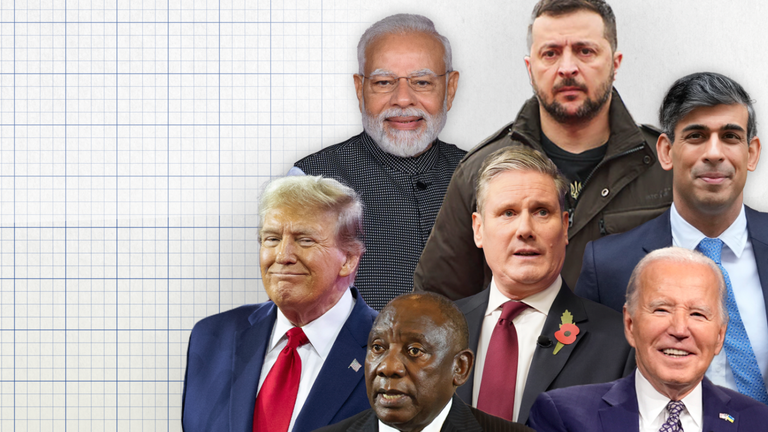
As several nations move through crucial election cycles, the global political landscape is undergoing noticeable shifts. Governments are confronting economic Election Updates uncertainty, social pressure, and regional conflicts, making this year’s elections especially consequential. The tone of many campaigns reflects a growing divide between traditional political structures and emerging public demands for accountability, economic stability, and transparent governance.
Political observers note that this election season is unlike previous years. Issues once considered secondary—such as digital security, civil rights, and climate policy—have now taken center stage, influencing party strategies and voter sentiment across continents.
High-Stakes Elections Redefining Priorities
In regions where political power has remained stable for years, sudden changes in voter behavior are reshaping expectations. Campaigns now emphasize inflation control, job security, and diplomatic balance, driven largely by public frustration with rising living costs and geopolitical tensions.
Election authorities in many countries are introducing new monitoring systems and upgraded voting procedures to maintain trust in the process. This includes more transparent reporting, stronger cybersecurity measures, and expanded observation by independent organizations.
Young Voters Take a More Decisive Role
One of the most defining factors of this year’s elections is the surge in youth involvement. With younger generations forming a significant share of the voter base, political parties are adjusting their messaging to resonate with their priorities.
Issues such as economic opportunity, technology access, freedom of expression, and climate action strongly influence the younger demographic. Their growing presence is pushing parties to address concerns that were previously overlooked or minimized.
Technology Becoming a Cornerstone of Elections
Technology continues to reshape how elections are organized and executed. Many countries are integrating digital tools to streamline identity verification, reduce paperwork, and speed up vote counting.
However, these advancements also introduce risks. Cyber intrusion attempts remain a major concern, prompting governments to strengthen digital security. Another challenge is the rapid spread of misinformation, especially during politically sensitive periods. Social media platforms remain the most active battlegrounds for political messaging, both legitimate and misleading.
Regional Overview: How the World is Voting
Asia
Economic pressure, population growth, and regional disputes are dominating election debates. Voters are demanding better services, fair employment opportunities, and improved governance structures. Political parties in several countries are promising reforms aimed at modernizing public institutions.
Europe
Migration policies, climate commitments, and security cooperation remain central in European campaigns. The outcome of regional ballots will influence future decisions in continental policymaking bodies, especially on energy strategy and border regulations.
Africa
A number of African nations are navigating democratic transitions. Improvements in biometric systems, digital voter registration, and election monitoring have strengthened public confidence. Still, challenges such as economic inequality and regional instability continue to shape political discussions.
Americas
Inflation, border security, and environmental concerns dominate political debates across North and South America. Leadership changes in this region often affect global markets and trade routes, making these elections closely watched internationally.
Financial Markets React Quickly to Election Trends
Markets respond almost instantly to major political developments. Shifts in leadership, changes in fiscal policy, or unexpected polling results often cause fluctuations in investor confidence. Regions heavily dependent on exports or foreign investment tend to experience stronger market reactions during election seasons.
Ongoing Challenges in Modern Elections
Despite significant progress in election technology and monitoring, certain challenges persist:
- Widespread misinformation and rumors circulating online
- Cybersecurity threats targeting election systems
- Deepening political polarization among voters
- Public distrust toward political institutions
Governments and monitoring bodies continue working to address these risks, emphasizing transparency and public engagement throughout the process.
Looking Ahead
The future of global elections appears to be increasingly shaped by technology, youth participation, and international cooperation. Analysts expect stronger digital safeguards, more open communication strategies, and broader involvement from civic organizations.
Regardless of the region, one theme remains consistent: voters are demanding leaders who can address economic pressure, strengthen public institutions, and maintain stability in an uncertain world.
FAQs
1. What are Global Election Updates?
They provide news and analysis on elections taking place around the world, focusing on political trends, results, and leadership changes.
2. Why are these elections important globally?
Election outcomes influence foreign policy, trade agreements, diplomatic relations, and overall geopolitical stability.
3. How is technology affecting elections?
Digital tools have improved voter registration, identity verification, and result reporting but have also increased cybersecurity risks.
4. Do global elections impact financial markets?
Yes. Markets respond to policy changes, leadership transitions, and shifts in investor confidence.
5. Where can I get reliable election information?
Trusted news outlets, official election commissions, and international monitoring groups provide verified updates.
Conclusion
The current wave of elections is reshaping political dynamics across continents. From shifting economic priorities to the rising influence of young voters, global politics is entering a period of noticeable transformation. Understanding these developments through reliable Global Election Updates is essential for recognizing how leadership decisions made today will influence international policy, economic stability, and diplomatic relationships in the years ahead.
