
We live in an era where our smartphones are practically extensions of our hands. From waking up to an alarm to scrolling through social media Mobile Radiation Level before bed, these devices are constant companions. But with this constant proximity comes a nagging question for many: Is my phone safe?
You might have heard whispers about mobile radiation or seen scary headlines. While the science is still evolving, staying informed never hurts. One of the most critical metrics for understanding your phone’s safety is the SAR value. If you are in India, checking this is incredibly simple, yet most people don’t know how to do it.
What is Mobile Radiation and SAR?
Before we dive into the “how to,” let’s clarify what we are actually measuring. Mobile phones communicate by transmitting radio waves through a network of fixed antennas called base stations. These radio waves are a form of electromagnetic radiation.
Unlike X rays or gamma rays (ionizing radiation), mobile phone radiation is non ionizing. This means it doesn’t have enough energy to break chemical bonds or damage DNA directly. However, it can cause heating in body tissue.
How to Check Mobile Radiation Level in India
You don’t need expensive equipment or a visit to a service center to check your phone’s radiation level. You can do it right now, within seconds.
Method 1: The USSD Code (The Easiest Way)
This is the universal method that works on almost every feature phone and smartphone in India.
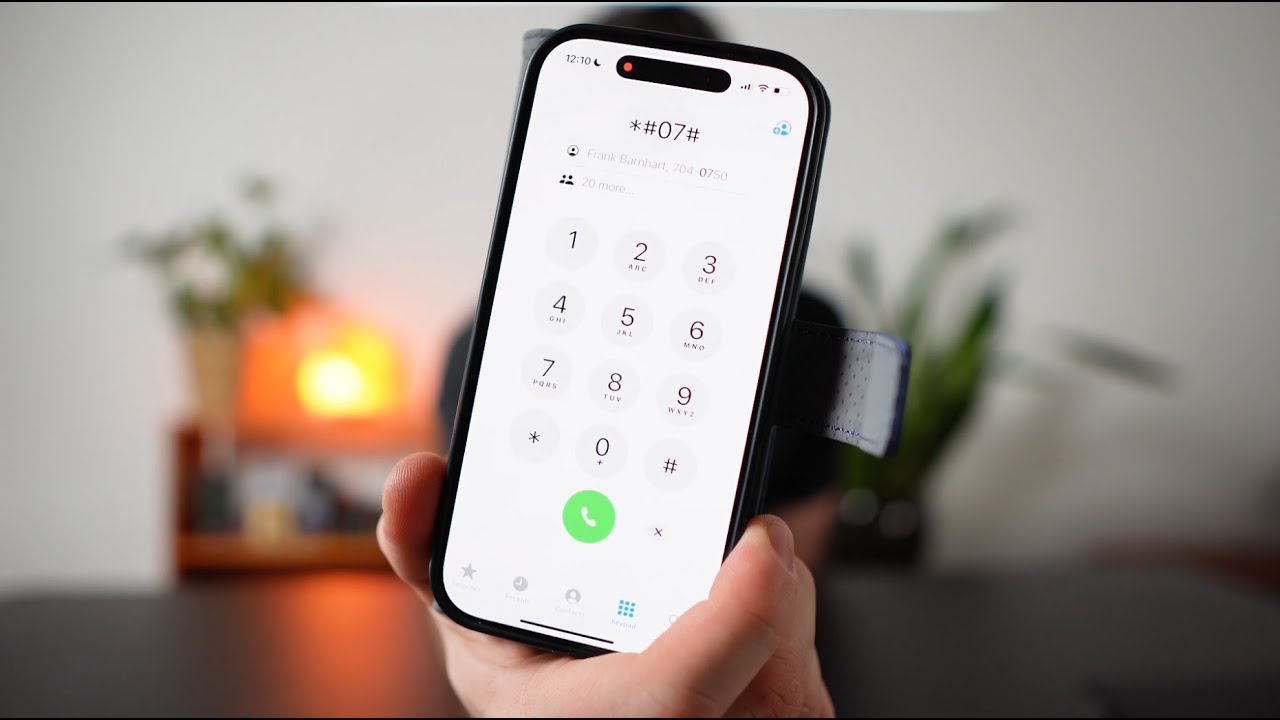
- Open your phone’s dialer. This is the screen where you type in phone numbers.
- Type the code:
*#07# - Wait for the pop-up. You don’t usually need to press the call button. The information should appear automatically.
What you will see:
The screen will display two types of SAR values:
- Head SAR: The radiation level measured when the phone is held next to your ear during a call.
- Body SAR: The radiation level measured when the phone is kept close to your body (like in a pocket).
Result Interpretation:
- If the value is 1.6 W/kg or lower, your phone is safe and complies with Indian standards.
- If the value is higher than 1.6 W/kg, the device is not compliant with Indian safety norms (this is rare for genuine, branded phones).
Method 2: Check the User Manual or Box
If the code doesn’t work for some reason, check the box your phone came in. Manufacturers are mandated to print the SAR value on the user manual or the packaging box. Look for a section titled “Safety Information” or “RF Exposure.”
Method 3: Manufacturer Website
Most major brands like Samsung, Apple, Xiaomi, and OnePlus list SAR information on their official websites. You can search for your specific model number followed by “SAR value India” to find the official documentation.
Why Do SAR Values Vary?
You might notice that different phones have drastically different SAR ratings. Several factors influence this:
- Antenna placement: Where the antenna is located inside the device affects how much energy is directed towards the head.
- Network reception: Phones often ramp up their power output when the signal is weak to maintain a connection. This increases radiation.
- Design materials: Metal bodies might interact differently with signals compared to plastic or glass.
Top Related Google Searches
When people research mobile radiation in India, they often look for these specific terms. Here is a quick breakdown of what they usually mean:
- “Top 10 high radiation mobiles in India”: Users frequently look for lists of “dangerous” phones. While lists exist, remember that any legal phone is under the 1.6 W/kg limit. High SAR doesn’t necessarily mean “unsafe” if it’s within the legal limit, but it is closer to the threshold.
- “Mobile radiation check code number”: This is the
*#07#code we discussed earlier. - “SAR value list of all mobiles”: People look for databases comparing different brands. Websites like the manufacturer’s official support pages are the best source for this.
- “Is 0.300 W/kg SAR value good?”: Yes, this is an extremely low and safe value.
- “Side effects of mobile radiation”: Users often search for health impacts like headaches or sleep disturbance. While conclusive evidence linking phones to cancer is lacking, organizations like the WHO recommend precautionary measures.
Frequently Asked Questions (FAQ)
Q1: My phone’s SAR value is 1.58 W/kg. Is it dangerous?
No, it is not dangerous. As long as the value is at or below 1.6 W/kg, it meets the safety standards set by the Indian government. A value of 1.58 is high relative to others, but it is still compliant and considered safe by regulatory bodies.
Q2: Does using a case reduce radiation?
It depends on the case. Some cases can actually block the antenna, causing the phone to work harder and emit more radiation to find a signal. However, cases that create physical distance between the phone and your skin (like bulky rugged cases) might slightly reduce absorption. Special “anti-radiation” cases exist, but their effectiveness varies.
Q3: Do old phones emit more radiation?
Not necessarily. Radiation levels depend on the specific model’s design, not its age. However, very old analog phones (which are obsolete now) did have different standards. Modern smartphones generally manage power very efficiently.
Q4: Is radiation higher while charging?
There is a common myth that radiation is higher when the battery is low or while charging. The battery level does not directly correlate with RF radiation. However, using the phone while charging might cause it to heat up, which is thermal energy, not necessarily increased RF radiation. It is generally safer to let the phone charge undisturbed.
Q5: What is the difference between Head SAR and Body SAR?
Head SAR is measured with the phone placed directly against the ear, simulating a phone call. Body SAR is measured at a separation distance (usually 15mm) to simulate the phone being in a pocket or bag. Both must remain under the 1.6 W/kg limit.
Conclusion
Checking your mobile radiation level in India is a matter of dialing five simple characters: *#07#. While the word “radiation” can sound scary, understanding the SAR value puts the power back in your hands.
Indian standards are stringent, and if you bought your phone from a legitimate source, you are likely within the safety zone. However, adopting simple habits—like using earphones and avoiding calls during low signal can significantly reduce your daily exposure. Stay informed, use your tech wisely, and prioritize your well-being.
