
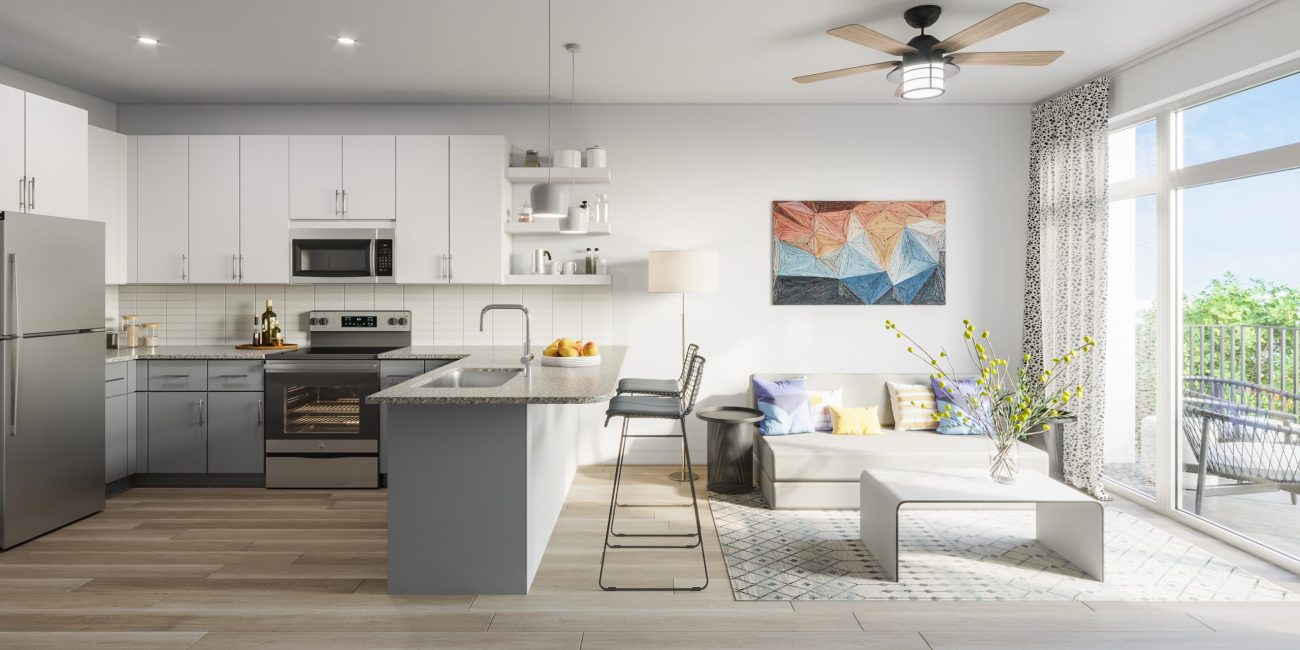
Living in an apartment often means working with limited space, shared utilities, and specific building rules. These factors can make a sustainable Apartment Dwellers lifestyle feel out of reach. You might not be able to install solar panels or start a sprawling backyard compost pile. However, making a positive environmental impact doesn’t require a large house or a plot of land. With a few smart adjustments, you can transform your apartment into a model of eco-friendly living.
This guide offers practical and actionable sustainable living tips designed specifically for apartment dwellers. We will cover simple changes you can make in your kitchen, bathroom, and daily routines. These tips will help you reduce waste, conserve resources, and lower your carbon footprint, all from the comfort of your apartment.
Reduce Your Kitchen Waste
The kitchen is often the source of the most household waste, but it’s also where you can make some of the most significant changes. From food scraps to packaging, a few mindful habits can drastically cut down on what you send to the landfill.
Embrace Composting, Apartment Style
Composting in an apartment might sound impossible, but several compact solutions make it easy. An indoor worm bin, also known as vermicomposting, is a popular choice. It’s odorless when managed correctly and produces nutrient-rich compost for houseplants or community gardens.
Another great option is a bokashi bin. This method uses a special bran to ferment your food waste in a sealed container, breaking it down without the odor of traditional composting. Many cities also offer curbside compost pickup or community drop-off locations. A quick search for “compost drop-off near me” can connect you with local programs.
Master the Art of Mindful Grocery Shopping
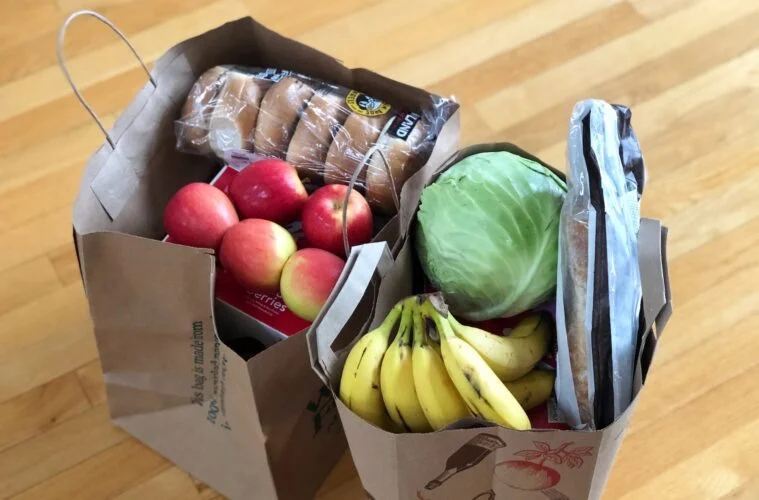
Reducing food waste starts before you even bring groceries home. Plan your meals for the week and create a detailed shopping list. This simple step prevents impulse buys and ensures you only purchase what you need. When you’re at the store, buy loose produce instead of pre-packaged items to avoid unnecessary plastic.
Bringing your own reusable produce bags, cloth grocery bags, and glass jars for bulk bin items can nearly eliminate single-use packaging from your shopping trips. Buying from local farmers’ markets also helps by reducing the carbon footprint associated with long-distance food transportation.
Conserve Energy and Water
Living sustainably means being conscious of the resources you use every day. As an apartment dweller, you can make a big difference in energy and water consumption without making major renovations.
Simple Energy-Saving Habits
Start with the easy wins. Unplug electronics and chargers when they are not in use. Many devices draw “phantom power” even when turned off, accounting for up to 10% of your electricity bill. Use power strips to make it easy to turn off multiple devices at once.
Switching to LED light bulbs is another impactful change. LEDs use at least 75% less energy and last 25 times longer than incandescent bulbs. Maximize natural light during the day by keeping curtains open, reducing your need for artificial lighting. In the winter, let the sunlight in to help heat your space naturally. In the summer, use blinds or curtains to block direct sun and keep your apartment cooler.
Cut Down on Water Usage
Water conservation is crucial, and small changes in your daily routine can lead to big savings. Fix any leaky faucets immediately. A single drip can waste gallons Apartment Dwellers of water over time. When washing dishes by hand, fill one side of the sink with soapy water and the other with rinse water instead of letting the tap run.
In the bathroom, take shorter showers. A five-minute shower uses significantly less water than a ten-minute one. Consider installing a low-flow showerhead, which can reduce your water consumption by 40% or more without sacrificing pressure. Remember to turn off the tap while brushing your teeth or shaving.
Choose Sustainable Products and Practices
Beyond waste and utilities, your purchasing decisions play a huge role in your overall environmental impact. Opting for eco-friendly, reusable, and non-toxic products supports a healthier planet and a healthier home.
Detoxify Your Cleaning Routine
Many conventional cleaning products contain harsh chemicals that are bad for the environment and your indoor air quality. You can create effective, all-natural cleaners using simple ingredients like white vinegar, baking soda, and lemon juice. A solution of equal parts water and vinegar makes an excellent all-purpose cleaner for surfaces, windows, and floors.
When you do need to buy cleaning products, look for brands that use plant-based ingredients and are sold in refillable containers or packaging made from recycled materials. Supporting companies with transparent and sustainable practices encourages the entire industry to do better.
Prioritize Reusables Over Disposables
Take a look around your apartment and identify single-use items you can replace with reusable alternatives. Swap paper towels for cloth Apartment Dwellers napkins and microfiber cloths. Replace plastic wrap with beeswax wraps or silicone food covers. Invest in a reusable water bottle and coffee cup to take with you on the go. These swaps not only reduce waste but also save you money over time.
This principle extends to your personal care routine as well. Consider switching to shampoo and conditioner bars to eliminate plastic bottles, or use a reusable safety razor instead of disposable ones.
Getting Started on Your Sustainable Journey
Adopting a sustainable lifestyle in an apartment doesn’t have to be overwhelming. You don’t need to implement every tip at once. Start with one or two changes that feel manageable for you, like bringing reusable bags to the grocery store or starting a small countertop compost bin.
As these new habits become second nature, you can gradually incorporate more. Each small step you take contributes to a larger positive impact. By making conscious choices, you can create a more sustainable home and inspire others in your community to do the same.
